
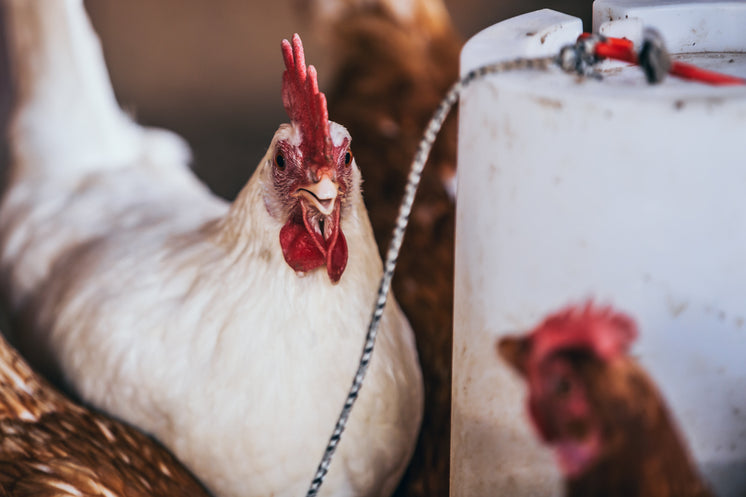
Chicken Road is a term that often refers to the various pathways and practices associated with poultry farming, particularly in regions where chicken farming is a significant economic activity. This study report delves into the advantages and disadvantages of Chicken Road, providing insights that are crucial for stakeholders in the poultry industry, including farmers, policymakers, and consumers.
Advantages of Chicken Road
- Economic Benefits: One of the primary advantages of Chicken Road is its contribution to the economy. Poultry farming generates substantial income for farmers and creates jobs in rural areas. The poultry industry also supports ancillary businesses such as feed production, veterinary services, and equipment manufacturing.
- Nutritional Value: Chicken is a rich source of protein, vitamins, and minerals. It is a staple in many diets around the world due to its affordability and versatility. The accessibility of chicken through local farms can enhance food security and improve dietary health in communities.
- Sustainability Practices: Many modern poultry farms are adopting sustainable practices that minimize environmental impact. These include waste recycling, efficient feed conversion, and the use of renewable energy sources. Sustainable chicken farming can lead to reduced carbon footprints and promote ecological balance.
- Technological Advancements: The poultry industry has seen significant technological innovations, from breeding techniques to automated farming equipment. These advancements increase productivity and efficiency, allowing farmers to produce more with less resource input.
- Community Development: Chicken Road can foster community bonds as local farmers often collaborate for better practices, share resources, and participate in cooperative marketing. This sense of community can lead to improved social cohesion and shared knowledge.
Disadvantages of Chicken Road
- Health Risks: One of the major concerns associated with poultry farming is the risk of disease outbreaks, such as avian influenza and salmonella. These diseases can affect both chickens and humans, posing public health challenges.
- Environmental Concerns: Despite advances in sustainability, poultry farming can still contribute to environmental degradation. Issues such as water pollution from runoff, deforestation for feed production, and greenhouse gas emissions are significant drawbacks that need to be addressed.
- Animal Welfare Issues: Intensive poultry farming often raises concerns about animal welfare. Practices such as overcrowding, lack of natural light, and limited space can lead to stress and health problems for the birds. Advocacy for better animal welfare standards is growing, but challenges remain.
- Market Fluctuations: The poultry market can be volatile, with prices influenced by factors such as feed costs, disease outbreaks, and consumer demand. Farmers may face financial instability due to these fluctuations, impacting their livelihoods.
- Dependency on Antibiotics: The use of antibiotics in poultry farming raises concerns about antibiotic resistance. Over-reliance on these medications can lead to the development of resistant bacteria, posing a significant public health risk.
Conclusion
In conclusion, Chicken Road presents a complex landscape of advantages and disadvantages. While it offers significant economic and nutritional benefits, it also poses challenges related to health, the environment, and animal welfare. Stakeholders in the poultry industry must navigate these issues carefully to promote sustainable practices that benefit both the economy and society. Continued research and innovation are essential for addressing the drawbacks while maximizing the advantages of Chicken Road.